The Current Journalism Model Isn't Working.
One journalist reflects on how easy it is to burn out in her industry.

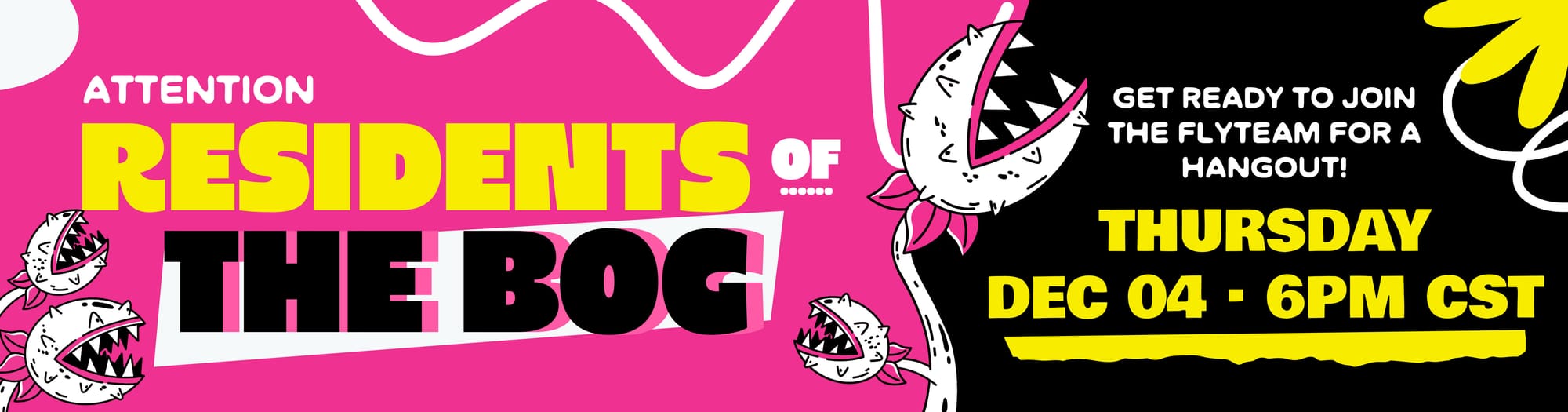
We're hosting our quarterly exclusive editorial hangout for Residents of the Bog on Thursday, December 4 at 6 p.m. CT. We'll talk about our coverage plans for 2025, share our latest crafts and favorite reads, and be joined by a variety of Flyteam pets. Keep your eye out for a registration link to RSVP!
(Not already a Resident of the Bog? There's still time to upgrade your membership.)
After I sent the email quitting my contract job at a major digital journalism platform, I started questioning my sanity.
It’s no secret that the journalism industry is currently in shambles. Layoffs seem to happen every couple of months, independent publications are struggling to keep publishing, and freelance journalists are being paid the lowest rates ever. I had a good thing going in an industry that has been precarious since I entered it in 2012. I was covering trending news, writing articles based on whatever was making people the most angry on social media in exchange for money. But, despite needing money to survive, I had hit a tipping point. Turns out that reacting to the most horrible news of the week can make you hopeless, stunt your creativity, and push you towards burnout. Most importantly, this model of digital journalism is destroying the kind of well-researched, thoughtful reporting that I want to write.
Like most journalists and writers, I entered the field of journalism with the naive intention of changing the world with my writing. In my 13th year of working as a journalist, writing that feels cliché and, in some ways, completely delusional. But it was true for me at the time: I wanted to give a voice to the voiceless. I believed in the potential of journalism to make the powerful accountable to the oppression they enact on others.
Precarious workers like me are producing dozens of reactive pieces every month, readers are constantly barraged with analysis that feeds algorithms with fear and anger, flooding social media with hopelessness, and encouraging audience apathy.